





Medical Reviewer | Dr. Muhannad Ahmed
SCFHS-licensed plastic surgeon with 20 years of experience | Reviewed: 22 September 2026
Looking for an effective solution to tighten loose skin and get rid of belly fat? Your search ends here. Royal Clinic offers tummy tucks in Riyadh that help patients achieve a firmer and flatter abdomen. No more loose skin around the midsection, as it will restore pre-pregnancy confidence. Our plastic surgeons will customize all types, including mini, full, or extended tummy tucks, to meet your desired goals, and the results look natural. Let’s learn more about abdominoplasty.
Best Tummy Tuck Surgeon in Riyadh

[View Profile]

Dr. Mohnnad Ahmad is our licensed plastic and reconstructive surgeon with 15 years of experience in performing body contouring procedures such as abdominoplasty. He is highly trusted for her precision and refined surgical techniques to ensure a firmer and sculpted appearance. Dr. Mohnnad Ahmad personalizes each procedure as per the patient’s desired needs and body shape to ensure a natural look.
Dr. Mohnnad Ahmad first carefully assesses the patient’s concerns and medical history and then recommends the best possible solution as per the patient’s anatomy, contouring goals, and overall health. In fact, He is the perfect plastic surgeon for your body reshaping.
Quick Insights
- Main Purpose: Ensures a firmer, flatter, and more contoured abdomen.
- Treatment Nature: Surgical body contouring treatment
- Duration: Procedure takes about 2–4 hours
- Tummy Tuck Cost: Starting from 23,000 SAR.
- 4 Procedure Types: Mini, Full, Extended, and Circumferential (360°)
- Initial Recovery: Requires about 4–6 Weeks
- Back to desk work: 2–3 weeks after the surgery
- Full Results: Appear within 6–12 months
- Scars: Continue to fade after 12-18 months.
What is a Tummy Tuck?
A tummy tuck, also medically known as abdominoplasty, is a surgical body-contouring treatment that sculpts the abdomen by removing excess fat from it and addressing separated abdominal muscles. Although it is not a weight loss treatment, it reshapes the abdomen when it becomes loose, especially after weight loss and pregnancy. A tummy tuck is ideal for people with persistent sagging abdominal skin after significant weight loss, aging, or pregnancy.
Types of Abdominoplasty
Various types of tummy tuck procedures are carried out as per the amount of excess skin, fat, and muscle laxity present in the patient’s abdominal region. These types are:
Mini Tummy Tuck
A mini tummy tuck focuses on removing excess skin from a small portion of the abdomen. It addresses limited skin laxity and is considered for patients with a lower belly bulge only. Low incisions are involved here, with a quick healing time.
Full Abdominoplasty
A full tummy tuck involves removing excess skin above and below the navel. Here, a hip-to-hip incision is made that might require 2-4 weeks to complete healing. It addresses a large area of the abdomen along with repositioning the belly button.
Extended Abdominoplasty
As the name suggests, an extended tummy tuck extends the skin removal beyond the abdomen towards the flanks. A longer horizontal incision is made here, and it requires a longer recovery duration.
Circumferential Abdominoplasty
Circumferential abdominoplasty is characterized by the removal of excess skin around the abdomen, back, and flank areas. A full circumferential incision is made here, requiring a longer healing period.
Fleur-de-Lis Tummy Tuck
This type of abdominoplasty aims to deal with a large amount of fatty tissue. It involves making both horizontal and vertical incisions to remove extra fat from both the top-to-bottom and side-to-side directions.
Lipoabdominoplasty
Lipoabdominoplasty is the combination of a tummy tuck and liposuction to deal with both excess skin and localized fat deposits. This combination ensures optimum contouring of the waist, flanks, and other regions.
| Tummy Tuck Type | Area Focused | Best for | Incision Length | Initial Recovery Time |
| Mini Tummy Tuck | Lower Abdomen | Limited abdominal skin laxity | Shorter cut | 1–2 weeks |
| Full | Lower and upper abdomen | Moderate to severe excess skin | Hip-to-hip incision | 2–4 weeks |
| Extended | Flanks + abdomen | Excess skin towards the flanks | Longer horizontal | 3 to 5 weeks |
| Circumferential (360°) | Abdomen, waist & lower back | Sagging skin around the torso | Full circumferential | 4 to 6 weeks |
| Lipoabdominoplasty | Waist + Abdomen | Localized fat and extra skin | Longer |
What Can a Tummy Tuck Fix?
As per the type of technique chosen, this surgery can treat the following issues:
- Sagging or loose abdominal skin
- Diastasis recti
- Localized fat tissues
- Abdominal wall laxity
- Rounded or protruding abdomen
- Weakened core muscles
- Stretched or off-center belly button
Benefits of Tummy Tuck Surgery
Abdominoplasty in Riyadh offers a wide range of transformative benefits that include:
- Toned Abdomen: Reduces excess fat and improves the overall abdomen contour.
- Tightened Muscles: A tummy tuck tightens loose abdominal muscles and restores core strength.
- Fit Clothes: With a flatter and sculpted look, it enables you to wear various clothes that will fit you.
- Correction: Deals with many concerns like abdominal laxity, rounded abdomen, stretched belly, etc., and enhances body proportions.
- Enhanced self-esteem: This treatment also enhances your overall confidence in clothing due to an appealing and fit look.
Tummy Tuck and Weight Loss
Some people may consider a tummy tuck as a solution for weight loss. However, it is important to note that a tummy tuck is not a weight loss procedure. Although it may reduce weight slightly as some excess tissue is removed from the body, abdominoplasty should not be considered an alternative to weight loss surgery.
Who are Ideal Candidates For it?
The following individuals can be considered more perfect or suitable for tummy tuck surgery in Riyadh:
- Those who have excess sagging or loose abdominal skin.
- Experiencing diastasis recti, or muscle separation that doesn’t recover with exercise.
- Individuals who have experienced significant weight loss
- People with nearly stable weight and good BMI
- Those with good general health and realistic expectations
- A desire to improve abdominal shape
Who are not suitable?
A tummy tuck is not suitable for all people. The surgery should be postponed or reconsidered for someone with:
- Significant weight fluctuations
- Active infections
- Uncontrolled diabetes
- Basic goal of weight loss
- Severe immune or healing problems.
Preparation for the Treatment
Here are some preoperative measures that ensure a smooth, safe process and quick recovery. The plastic surgeon assesses your overall health and abdominal skin condition before planning for abdominoplasty.
- Keep a stable weight before planning for this procedure
- Stop using alcohol and nicotine, as they can affect your healing process.
- Tell your surgeon about all the medicines you are currently using
- Conduct the necessary and recommended tests for medical clearance and eligibility.
- Discuss previous surgeries like hernia repair, C-section, etc if you have done any.
- Follow diet instructions such as fasting before anesthesia provided by your doctor.
- Avoid blood-thinning medicines such as aspirin for about 2 weeks before surgery.
The Stepwise Tummy Tuck Procedure
Getting an overview of what happens during the abdominoplasty session helps set out realistic expectations regarding it. Let’s unfold the steps involved in it from consultation to closure.
Step 1: Initial Consultation & Planning
First of all, you will have a comprehensive consultation with our plastic surgeon, Dr. Mohnnad Ahmad. He will deeply evaluate your skin laxity, excess fat, diastasis recti, and BMI to find out whether a mini, full, or extended tummy tuck is better for you. A personalized treatment plan is then prepared for you.
Step 2: Anesthesia
The process is carried out under general sedation so that you are fully asleep and feel no pain during the procedure.
Step 3: Making Incisions
Then precise incisions are made as per the recommended type of abdominoplasty. Incision patterns are selected as per the patient’s anatomy.
- Mini Tummy Tuck: needs a shorter cut limited to the lower abdomen.
- Full Tummy Tuck: involves making a longer, full Hip-to-hip incision
- Extended Abdominoplasty: Requires longer horizontal cuts.
- Circumferential Abdominoplasty: a full 360° or circumferential incision.
Step 4: Muscle Repair (Fascial Plication)
If there is any diastasis recti (clinically weakened or separated rectus abdominis muscles), they are fixed and repositioned into their original state.
Step 5: Removal of Excess Tissue
Extra abdominal skin and tissues are surgically removed from the abdominal area. In some situations, liposuction is also done to refine the shape and contours more effectively.
Step 6: Belly Button Repositioning
The belly button, or umbilicus, is repositioned via a new opening in the tightened skin.
Step 7: Incision Closure
The incisions are then closed carefully with specialized sutures to minimize scarring. Surgical drains are also applied for a short time to avoid fluid accumulation during recovery.
Step 8: Postoperative Care
Compression garments are used to minimize the swelling. You will be given some postoperative instructions to ensure quick recovery and manage aftereffects.
Tummy Tuck Operations Results
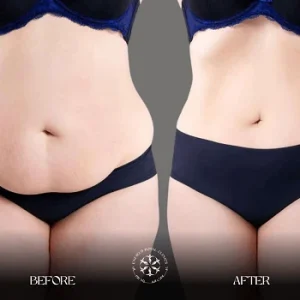
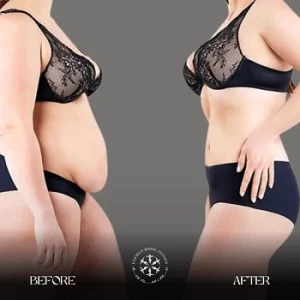
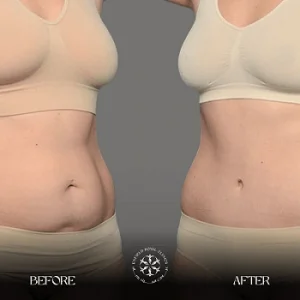
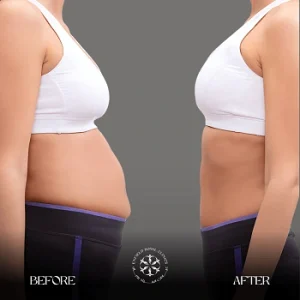
Patients will start experiencing the results as the swelling subsides in a few days. The final contoured appearance gradually develops as the recovery takes place. The abdomen will look flatter, smoother, and tighter by 6–8 weeks; however, the full refined results emerge between 3 and 6 months as the body is healed completely. See these before-and-after glimpses to witness our amazing Tummy Tuck transformations.
Tummy Tuck Before and After
Real abdominoplasty before and after results showcasing a flatter, more contoured abdomen.
Tummy Tuck Recovery
Tummy tuck recovery varies from person to person, as it depends on the type, severity of abdominal muscles, combination with other procedures, and people’s healing response. During the recovery time, it is normal to expect temporary effects like:
- Swelling
- Bruising
- Tightness sensation
- Discomfort
- Soreness in the abdominal muscles
- Numbness for a shorter duration
- Difficulty in standing erect
But these aftereffects are short-lived and relieved after some time. Early light walking is encouraged during this time.
Abdominoplasty Recovery Timeline
| Timeframe | What to expect and guidance |
| Initial 24-48 hours | Swelling, bruising, tightness, and mobility problems. Rest and take the prescribed medicines on time |
| Days 3-7 | Pain and swelling become manageable. Gentle walks are appreciated, and strenuous actions should be avoided. |
| 1-2 weeks | Limited mobility improves, and swelling or bruising is still there. Rest and refrain from heavy lifting. |
| 3-4 weeks | Bruising subsides significantly, and abdominal tightness may persist. Start increasing activity as per the surgeon’s instructions. |
| 4-6 weeks | Wear a compression garment. Everyday moments become easy. Gradually return to strenuous exercises after confirmation from your surgeon |
| 3-6 months | Full and refined results appear, and the swelling resolves completely. |
Aftercare Guides To Boost Healing
These are postoperative instructions that boost your healing and ensure maximum results.
Immediate Postcare (1-2 weeks)
- Keep the surgical site clean and dry.
- Wear compression garments regularly, especially during the first 1–2 weeks.
- Rest and sleep in a knees-bent position to avoid pressurizing the incisions.
- Avoid standing upright during the first two weeks
- Take the prescribed medicines if you feel any pain.
- Avoid scratching or picking the incision region
Movement & Physical Activity Guidelines
- Keep gentle or light walking within 24-48 hours
- Refrain from lifting weight heavier than 3 kgs for 4-6 weeks after the surgery.
- Avoid intense workouts or heavy stretching until the surgeon’s permission
- Continue desk-based work after 2-3 weeks.
Diet Guidance
- Drink at least 8 glasses of water or more to support hydration
- Eat a protein-rich, high-fiber diet to support tissue healing
- Avoid smoking and alcohol
- Maintain a stable weight
Swelling and scar care
- Keep the treated area from high sun exposure
- Follow surgeon’s instructions, like the use of silicone sheets/gels to treat scars.
- Attend all your scheduled follow-up visits.
Risks and Complications of Abdominoplasty
Being a surgical procedure, a tummy tuck might lead to certain complications or risks if performed unprofessionally. These are:
- Infection and bleeding at the site.
- Seroma or fluid buildup
- Poor or delayed healing
- Swelling and discomfort
- Temporary numbness
- Unfavourable scarring
- Tissue damage
- Blood clots such as DVT or pulmonary embolism.
- Asymmetry or structural irregularities.
How to Manage Tummy Tuck Scars?
Scarring is normal to happen after every surgical procedure, like abdominoplasty. Here are some medically backed and plastic surgeon-recommended tips that help minimize scarring:
- Utilize a silicone gel or silicone sheets
- Avoid unnecessary stretching or pressure on the treated area.
- Don’t scratch, pick, or massage the incision site
- Strictly follow all the wound care tips suggested by your surgeon
- Be patient, as the scars will take some time to disappear.
Tummy Tuck vs Liposuction
| Feature | Tummy Tuck | Liposuction |
| Basic Purpose | Remove excess skin and enhance abdominal contour | Eliminates localized fat pockets |
| Abdominal muscles | Repair weakened or separated abdominal muscles | Does not recover muscles separation |
| Skin Tightening | Significantly tightens sagging skin | Doesn’t tighten loose skin |
| Incisions Size | Needs large surgical cuts | Requires small incisions |
| Weight loss | Not a weight loss treatment | Not a weight loss procedure |
| Scars | Leaves visible scars | Smaller scars |
| Best for | Excess skin and abdominal skin laxity | Localized fat with good skin elasticity |
| Combination | Yes, with liposuction | No, performed as a part of lipoabdominoplasty |
Abdominoplasty / Tummy Tuck for Men in Riyadh
We also offer tummy tucks for men that involve eliminating extra fat and sagging skin and tightening weak abdominal muscles. Male abdominoplasty results in a smooth, flatter, and beautiful-looking midsection. Here, surgical planning is based on thicker abdominal skin, and the results focus on an athletic contour rather than an hourglass figure in female abdominoplasty.
Tummy Tuck Cost in Riyadh
Tummy tuck price in Riyadh starts from 23,000 SAR. but depending on the type of abdominoplasty, excess skin and fat amount, sessions required, etc. You will get to know about the final expense during the first consultation with our plastic surgeon. Additionally, we offer flexible payment options, and our prices are quite clear and transparent.
Factors Affecting Abdominoplasty Cost
- Type of Tummy Tuck
- Excess Skin Amount
- Combination of Liposuction
- Degree of muscles separation
- Anesthesia prices
- Hospital stay
- Clinic and Plastic surgeon reputation
Cost as per Tummy Tuck Type
| Tummy Tuck Type | Estimated price (SAR) |
| Mini Abdominoplasty | 17,000-25,000 |
| Full Abdominoplasty | 29,000-35,000 |
| Extended Abdominoplasty | 39,000-55,000 |
| Circumferential Abdominoplasty | 49,000-70,000 |
| Fluer De Lis | 34,000-54,000 |
Why Choose us For a Tummy Tuck Surgery?
Choosing the right procedure is very important for achieving a flatter and contoured abdomen. Royal Clinic is the perfect choice for you. Here is what sets us apart:
- Qualified and Experienced plastic surgeons
- Personalized body contouring procedures
- Use of modern surgical equipments
- SCFHS-Certified Surgeons with 20+ years of experience
- 6,000+ treatments performed annually
- We strictly follow international safety measures
- Your safety and health are what matter to us
- Transparent and clear prices
- Affordable abdominoplasty starting from SAR 18,000 only.
- Committed to delivering natural-looking and real results
- Comfortable and clean surgical rooms
- Comprehensive follow-up and support
- Flexible payment options
Book a Consultation to Redefine Contours and Gain Confidence!
A sculpted, fit, and catchy body is not a dream anymore. Our experts are here to offer safe and effective tummy tucks in Riyadh as per your body’s anatomy, excess skin, and desired goals. Take the first step towards a contoured and firmer you by scheduling an appointment with our talented plastic surgeons at Royal Clinic. Fill out the given consultation form right now.
FAQs
How much time does abdominoplasty recovery take?
Initial recovery takes 1-2 weeks, during which people can resume light activities. Full healing requires about 3-6 months. The rehab also varies as per tummy tuck type.
How much does Tummy Tuck surgery cost in Riyadh?
Its price falls in the range of SAR 29000 to SAR 36000 and is dependent upon the type of procedure and amount of excess fat or skin.
Is a tummy tuck procedure painful?
The procedure is carried out under the effects of local anesthesia so that you can’t feel any pain. Light discomfort and swelling are normal to happen when the sedation wears off. It can be managed with over-the-counter medicines.
Do you offer tummy tucks for men?
Yes, at Royal Clinic, you can get male and female abdominoplasty under the expert hands of our experienced tummy-tuck surgeon in Riyadh.
Are the abdominoplasty results permanent?
The results are long-lasting, especially when weight is maintained at a stable level. Weight fluctuations can greatly influence the outcomes.