


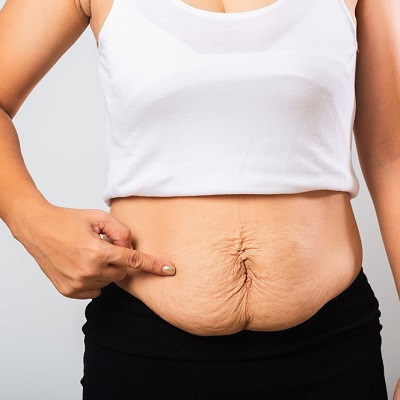
Is your health suffering because of obesity, and are you losing your confidence in your body? Obesity is not only an appearance issue but also a serious issue for your health, confidence, and quality of life. When all the other methods are not working and the risks of heart disease, restricted mobility can become overwhelming. Bariatric surgery in Riyadh will be a transforming solution – you are gaining a healthier, happier, and confident future!
Quick Snapshots!
- Cost: Varies from 9,999 SAR to 19,999 SAR.
- Results: Noticeable within 3 months.
- Downtime: Takes 2 to 3 days.
- Back to Work: Within 3 to 5 weeks.
- Duration of Treatment: Takes 1.5 to 2 hours.
- Type of Procedure: Surgical methods.
- Anesthesia: Uses general anesthesia.
- Lifespan: Permanent if maintained properly.
- Success Rates: You will get high success rates.
Overview of Obesity
Obesity is a serious medical condition where stubborn fat accumulates that negatively affecting your health, mobility of your life. It is commonly measured through BMI (Body Mass Index), with a BMI of 30 or above categorized as obese. It’s not just cosmetic issues but also highers serious issues concerns such as heart disease, type 2 diabetes, and sleep apnea.
👑Top Reasons to Choose Royal Clinic for Bariatric Surgery!
| Expert surgeon | Broadly certified experts with years of experience in all major bariatric methods. |
| Comprehensive care | Pre-operative examinations, counselling, and post-operative follow-up care. |
| Advanced technology | Minimal surgery for quick healing and less scarring technology. |
| High success rates | Proven long-term weight loss methods with proper changes in obesity conditions. |
| Customized strategy | The method is addressed to your health, objectives, and lifestyles. |
Your Health is Our Priority | Best Surgeons Near You in Riyadh!
Dr. Moumen Saad are leading plastic and reconstructive surgeons in Riyadh with over 20+ years of experience. They specialize in facial and body sculpting procedures that combine with other advanced techniques. Well known for their patient care, as they provide you with lifetime results at Royal Clinic!
Root Causes & Their Effects
Some of the causes and their effects are mentioned below:
Poor diet or overeating
| Causes: High-calorie, synthetic food, sugary drinks, and eating too much.
Effects: Fast weight gain, insulin resistance, and increased risks of metabolic disease. |
Genetical background
| Causes: The genetic inheritance that influences hunger, metabolism, and fat storage.
Effects: The Higher the likelihood of obesity, especially when it combines with poor lifestyles. |
Imbalanced hormones
| Causes: Conditions such as PCOS, insulin resistance, and hypothyroidism.
Effects: Disrupted metabolism and complexity in losing weight despite efforts. |
Lackness of sleep
| Causes: Less time of sleep time and irregular sleeping cycle can cause obesity.
Effects: Changes in hormones that highers hunger and cravings, leading to weight gain. |
Medications
| Causes: Specific drugs and supplements can also be a major cause of weight gain.
Effects: Highers the fat accumulation and gradually slows down metabolic activities. |
Bariatric Surgery in Riyadh
Bariatric Surgery is a medical solution to severe obesity; it is mostly suggested to people who desire to lose weight. These operations have effective and proven outcomes in curing any type of obesity. They also support you to normalize the metabolism, involving blood sugar level, blood pressure, and cholesterol level.
Condition Treated by Bariatric Surgery
| High Cholesterol | Losing significant weight enhances the lipid levels and lowers the risk of heart disease. |
| High Blood Pressure | Reduces the stress on your heart and blood vessels; supplements might lower. |
| High Blood Sugar | Insulin sensitivity improves the condition. |
| Diabetes Type 2 | It might accomplish diabetes remission. |
| Heart Disorder | Reduces cardiovascular complexities through having better weight, blood pressure, and cholesterol levels. |
| Lackness of Sleep | Proper sleeping times also enhance sleep quality, lower the obstruction of airways. |
| Kidney Disease | Supports to protect kidney function by reducing obesity related complications. |
Types of Bariatric Surgery
Gastric sleeve (Sleeve Gastrectomy)
- Description: By reducing the stomach by about 70 to 80 percent, surgeons will leave a smaller area to shape it as a sleeve.
- Effects: Restricts the hunger level and lowers the hunger hormones.
- Benefits: Potential effects in losing the weight, enhances the obesity realted conditions, relatively it has a lower complication rate.
Gastric Bypass (Roux-en-Y Gastric Bypass)
- Description: In this procedure, the stomach will be divided into two smaller pouches; the small intestine is rerouted to the smaller pouch.
- Effects: Limits your hunger, which will be beneficial in food intake, and lowers the absorption.
- Benefits: Quick and effective weight loss with excellent enhancements in diabetes and metabolic situations.
Adjustable Gastric Band (Lap-Band)
- Description: To create a smaller pouch surgeon will place a silicone band closer to the upper stomach.
- Effects: Effective in sensing that you are complete with less food intake.
- Benefits: Less invasive method, reversible, and adjustable process.
Intragastric Ballon (Non-surgical choices)
- Description: Through the endoscopy process, a saline-filled balloon is positioned in your stomach.
- Effects: Lowers the stomach volume for a while, which helps you manage the size of your stomach.
- Benefits: used as a bridge to an operative method or works for moderate obesity. Non-surgical, temporary weight loss.
Who Can Qualify for the Surgery?
This surgery needs to be initiated by establishing a diagnosis of class III obesity. That means that you either:
- Having a 40 BMI or higher, as it is equivalent to 100 lbs.
- A BMI of 35 without any related health concerns is considered class II obesity.
BMI is easily evaluated; you might have to take some medical tests and examinations to detect your condition, which is obesity related.
How to Get Prepared Before Undergoing the Procedure?
- Choose certified hospital & surgeons: Select a reputable clinic with experienced surgeons who have higher success rates. Broadly certified and skilled surgeons will provide you effective results you wish.
- Initial consultation: The surgeons or any expert doctors offer you virtual consultations to describe your medical history, health conditions, and expectations for the surgical method.
- Preoperative health diagnostics: Your surgeon might suggest you undergo the tests and transformation of lifestyles before the surgery to prepare your body for the technique.
- Plan your stay: Get someone with you who drives you home, and a person to take care. Some clinics may deliver home care services as well to monitor the progress.
General Procedural Steps for Bariatric Surgery
Here are some procedural steps mentioned below:
Anesthesia & Preparation
- General anesthsia is injected.
- The surgical area will be sterilized, and the patient will be placed for optimal access.
Surgical Procedure
- Open surgery or laparoscopic surgery is done based on the procedural type, such as sleeve gastrectomy, gastric bypass, etc.
- Recontouring or lowering the size of the stomach to restrict the hunger and intake of food, and to alter digestion.
Closure & Recovery
- The cuts are closed through sutures, staples, and adhesive glue.
- The individuals ministered in the healing room for vital symptoms and risks.
How Much Weight Can I Lose?
Most of the time, individuals lose about 50% of their weight after the surgery, and maintaining it will lead them to their dream figure. The distinctive methods have slightly different outcomes. The average weight loss after the gastric bypass is about 70% of the surplus body weight. The outcomes are measured after a period of 18 to 24 months.
Guidance for Aftercare
Some tips are mentioned below:
- Hospital stay: Stay for at least 1 to 3 days to notice symptoms and risks if you get any.
- Hydration & nutrition: Drink plenty of water and juices to hydrate your body, and also take the suggested vitamins and protein medications.
- Wound care: Maintain your cuts clean & dry; notice the signs of infection or any risks.
- Physical activities: Start with light walking within a few days; slowly highers the exercise as per the surgeon’s recommendations.
- Diet progression: Initiate with liquid food to pureed foods → soft foods → then try daily small meals as per your routine.
Recovery Timeline
| Initial healing | If you are experiencing some pain, swelling, and discomfort, you will be provided with some supplements to control these issues. |
| Early healing period | The earlier signs will stay for at least several weeks. In this phase of healing, you can have liquids and also progress to pureed and soft foods. |
| Body activation | At the time your body feels ready, you will initiate higher physical activities gradually. |
| Stablization | This phase is almost near results as it lasts several months, and it includes a slow return to normal physical activities. |
| Long term | It lasts several years and includes a concentration on managing a healthier diet. This helps in weight loss accomplished through the surgery. |
Expected Results
Different patients have different bodies, so the time varies accordingly. Most individuals accomplish significant weight loss, which often improves high blood pressure, high cholesterol, and type 2 diabetes.
It usually enhances cardiovascular health, lowers sleeping disorders, enriches joint mobility, and elevates overall energy. Beyond physical advantages, multiple individuals might not experience elevated self-confidence, mental well-being, and a better quality of life.
Risks and Complications
Having surgery is the best choice for weight loss, but there are some complications associated with it:
- Allergic responses to medications.
- Infection and bleeding/blood clots.
- Respiratory issues.
- Poor nutrition.
- Scaring inside the belly area.
- Stomach or intestinal ulcers.
- Gallstones.
Bariatric Surgery Costs in Riyadh
On average, the Obesity & Bariatric Surgery in Riyadh, Jeddah, Saudi Arabia fluctuates based on multiple factors, including the type of surgery, the expertise of surgeons, also insurance coverage. The estimated costs may vary between 9,999 SAR to 19,999 SAR, but it is advised to meet with your doctor to get the exact costs.
Cost by Procedures
| Procedure | Prices | Average weight loss | Hospital stay |
| Sleeve Gastrectomy | 35,000 – 40,000 SAR. | 60 to 75% within 12 -18 months. | 3 nights |
| Gastric Bypass | 12,000 – 18,000 SAR. | 70 to 80% within 12 months. | 3 to 4 nights |
| Gastric Balloon | 14,000 – 21,000 SAR. | 10 to 15% within 4 -6 months. | Same day |
| Mini Gastric Bypass | 13,000 – 20,000 SAR. | 60 to 85% within 12 -18 months. | 2 to 3 days |
| Adjustable Gastric Band | 30,000 – 50,000 SAR. | 40 to 50% within 2 -3 years. | 1 to 2 days |
Factors Impacting the Cost
| Type Of Surgery | More complicated methods, such as gastric bypass, are more expensive than sleeve gastrectomy or non-invasive choices. |
| Surgeon’s Expertise | Highly experienced and skilled surgeons will charge you more than others. |
| Hospital stay | The advanced and certified hospitals with quick and effective services highers the prices. |
| Medications | The after surgery vitamins and supplements recommended also added to the costs. |
| Insurance Coverage | Partial or no coverage affects the cost of the procedure. |
Your Journey To A Healthier You Initiates Here – Reserve Your Spots Now!
At Royal Clinic Riyadh, we provide you combination of advanced methods, customized care, and comprehensive help to ensure the perfect outcomes for you. Do not wait, get Obesity & Bariatric Surgery in Riyadh by booking your appointment right away and take the initial step towards a healthier life!
FAQs
Do I need to change my diet after surgery?
Yes, for a long-lasting outcome, you have to maintain a balanced, smaller portion of a diet.
Can this surgery enhance obesity-related situations?
It may enhance diabetes, high blood pressure, and heart health. It may also improve your quality of life.
What happens if obesity remains untreated?
The complexities involve diabetes, heart disorder, problems in your joints of body and lower the expectancy of your life as well.
What is the best age to have weight loss surgery?
Generally, adults aged 18 to 65 can have this surgery, but it may be based on health and medical instructions.
Will I be able to maintain weight long-term?
Yes, you will be able to maintain your weight with appropriate lifestyle changes, routine exercises, and long-term maintenance will be effective.