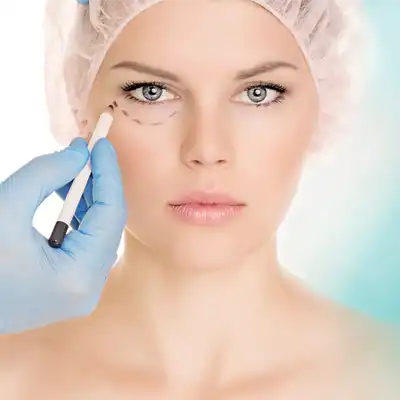







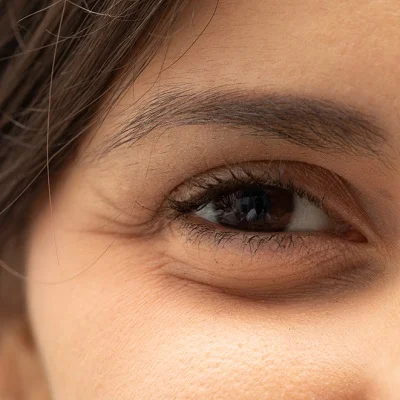


Blepharoplasty, commonly understood as eyelid surgery, is one of the most sought-after cosmetic procedures here in Riyadh. It works sort of by taking away extra fat, skin, and tissue around the eyes, so the puffiness and those under-eye bags can end up skimming less. Usually, the difference feels rather obvious, like patients end up looking restored, more intelligent, and in a weird way, a few years younger.
But one query always arises during talks: Can eye bags return after blepharoplasty?
The simple answer is: it turns. While blepharoplasty produces extended effects, it is not completely resistant to the effects of time. Here is what every patient in Riyadh should know before and after their process.
Can Eye Bags Return After Blepharoplasty in Riyadh?
Blepharoplasty is performed to release or reposition extra fat, loose skin, and puffiness about the eyes. While the system delivers long-lasting effects, it does not fully stop the biological aging process. This is why some patients may notice differences in their eyes after surgery.
When fat is removed or redistributed, it does not just grow back. This is why Blepharoplasty results are deemed long-lasting. For most patients, the improvement they see after full recovery stays durable for many years.
Can Eye Bags Return? The Rightward Answer:
Yes, eye bags can return after Blepharoplasty, but this is not common, and it does not happen overnight.
When replication occurs is rare because the removed fat is fixed; instead, it is typically the result of the natural ageing process continuing after surgery. The remaining fat pads near the eyes can shift over time, the skin losses elasticty and the supportive ligaments of the more inferior eyelid slowly drain. All of these differences can even eventually cause puffiness, even in patients who had excellent initial results.
That stated, most patients enjoy results that last anywhere from 10 to 15 years or more. Some patients never need a double operation.
Factors That Influence Whether Eye Bags Return:
Not every patient faces the same risk of repetition. Several factors play a role:
Age At The Time Of Surgery:
More young patients who have experienced blepharoplasty before may see incremental shifts as they age naturally. This does not mean the surgery failed; it just tells that time keeps moving.
Skin Quality and Elasticity:
Patients with lighter, less flexible skin tend to show ageing differences around the eyes more quickly. Sun direction, smoking, and dehydration all impact this method.
Surgical techniques:
The method used by your surgeon counts especially. Fat repositioning, shorter than simple removal, tends to have more natural and extended results, particularly in patients who have a block in the tear drain area.
Genetics:
Some people are genetically prone to having major fat pads around the eyes. If this runs in your home, there is a higher likelihood that some puffiness may reappear over time.
Lifestyle and Aftercare:
Patients who defend themselves from sun injury, keep a healthy weight, stay hydrated, and track post-operative guidance always tend to keep their effects extended.
What If Eye Bags Do Return?
If a patient notices puffiness years after their blepharoplasty, the opportunities available depend on the rigour and reason.
In favourable circumstances, non-surgical treatments such as dermal fillers in the tear trough area can convert volume ratio and minimise the shadow effect that creates the appearance of bags. Skin-tightening treatments may also help address laxity around the lower eyelid.
In more significant cases, a revision of blepharoplasty may be considered. This procedure requires careful assessment, as eyelid anatomy changes after the initial surgery. It should only be performed by an experienced oculoplastic or cosmetic surgeon with a strong track record in revision cases.
Setting Natural Expectations Before Your Procedure:
This is a process that calls for detailed review, because the anatomy of the eyelid does adjust after the first surgery, occasionally in quiet ways. It should be done only by a professional oculoplastic or cosmetic surgeon with a solid record of revision work. In other words, someone with a strong history is key, not just “good results” on the first try.
Conclusive Views:
Eye bags can, in some circumstances, return after blepharoplasty, but this is an incremental approach driven by biological ageing rather than surgical failure. The extensive bulk of patients in Riyadh
Those who experience this procedure want extended, significant progress. If you are thinking of blepharoplasty or have questions about your recent developments, we urge you to book a conversation with our team. We will evaluate your personal situation and provide personalised guidance to help you make the most informed decision for your appearance and wellbeing.
Prolonged Results, Ongoing Confidence: What to Hope After Blepharoplasty by booking us!
Royal Clinic Saudia offers Can Eye Bags Return After Blepharoplasty in Riyadh. Our experienced doctors are here to help you and advise you on the best treatment. They also make a personalised treatment plan according to your needs. Book your appointment today. Say Goodbye to Eye Bags, And Learn How Long the Results Can Last.
FAQs:
Is blepharoplasty a permanent solution for eye bags?
The approach delivers extended progress, but it cannot stop the biological aging process completely.
Can lifestyle habits affect the effects?
Yes. Smoking, insufficient sleep, dehydration, and excessive sun exposure may accelerate aging and affect the longevity of your products.
Are eye bags more likely to occur in older patients?
More senior patients may undergo age-related changes sooner, but the likelihood of changes is based on genetics, skin quality, and overall health.
Can non-surgical treatments support if eye bags return?
Yes. Dermal fillers, laser treatments, radiofrequency skin tightening, and skincare therapies may assist in enhancing soft under-eye concerns.
Will I require a double blepharoplasty process in the end?
Most patients do not need another surgery, but some may prefer a correction process years later if substantial aging differences arise.
How can I keep my blepharoplasty effects?
Protect your skin from the light, maintain a wholesome lifestyle, remain hydrated, and follow a constant skincare ritual.
Is a bump after blepharoplasty the same as producing eye bags?
No. A transient bump is a regular part of recovery and usually settles within weeks or months after surgery.