




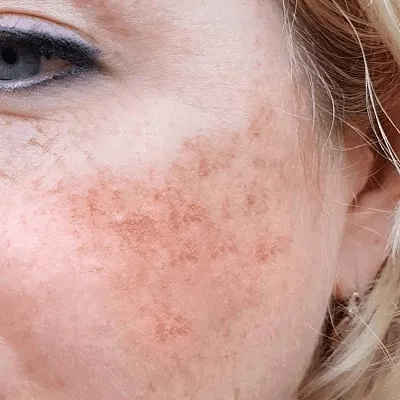


Melasma is a typical skin problem that results in unclear, patchy discoloration that occurs on the cheeks, forehead, upper lip, and chin. This hard-to-treat pigmentation is usually triggered by sun exposure and hormonal differences. In Riyadh, they present modern treatments that work virtually and are known to visibly reduce and prevent melasma in the long-term.
How To Get Rid Of Melasma Permanently in Riyadh:
Melasma is a skin disease that causes brown and grayish patches on the skin. This is generated by sun orientation, hormonal differences, pregnancy, or genetics, and it is emotionally distressing due to visual focus on the skin’s formation. It develops on places such as the cheeks, foehed ad nose bridge, and sometimes it appears on the chin.
How To Get Rid Of Melasma Permanently manages and overcomes the pigmentation patches and targets the skin treatments. Contemporary dermatologist procedures, coupled with proper skincare training and severe sun safety, help to shrink the dim patches and prevent them from returning. With the right care plan, maintain effects over time for a more even skin tone.
Major Causes and Triggers of Melasma:
The following are the causes of Melasma:
Sun Exposure:
Extra exposure to the sun is the most common trigger of UV rays, which creates dark patches on the face.
Hormonal Changes:
During pregnancy, the use of contraceptive pills or hormone therapy can activate the melasma and show noticeable pigmentation.
Genetic Factors:
A family history of pigmentation disorders can lead to issues and the development of melasma even with minimal external triggers.
Heat and Environmental Exposure:
Direct heat exposure in sunny climates can wear away the existing pigmentation. Avoid going in high temperatures.
Cosmetic and Skincare Products:
Harsh products may inflame the skin and trigger excess melanin production, leading to uneven skin tone.
Lifestyle Factors:
Stress, irregular skincare routines, and lack of sunscreen all contribute to the worsening and recurrence of melasma.
Professional Treatments for Melasma Removal:
Professional treatment for the removal of melasma is mentioned below:
Laser Therapy:
Modern technology, like laser therapy, targets the excessive pigmentation in the deeper layer of the skin. It breaks down the dark patches and restores a more even skin tone.
Chemical Peels:
This method uses skin-safe solutions and removes the outer damaged layer of skin, helping to overcome the melasma over time.
Microneedling with Serums:
In this technique, tiny micro-injuries are made in the skin to enhance the collagen and improve the absorption of brightening serums.
Prescription Creams:
In this approach, dermatologists prescribe the topical treatment that works by slowing down the excessive melanin production with consistent use.
Combination Therapy Approach:
This technique is used for better and long-lasting results, which is linked with different methods to help target the melsama from multiple angles.
At-Home Care and Maintenance Routine:
Here are some tips that you should follow at home to maintain a routine:
Daily Sunscreen Use:
Using sunscreen every day is the most important step to managing melasma at home. It helps to protect your skin from the UV rays.
Gentle Cleansing Routine:
Using a mild, non-annoying cleanser helps to keep the skin clean. This overcomes the inflammation that can worsen pigmentation.
Consistent Moisturizing:
It improves the overall texture by keeping the skin well-hydrated and supports its healing process. Skin responds better to a healthy moisturizer.
Avoiding Direct Heat and Sun Exposure:
Don’t go directly into the strong sunlight and avoid direct heat sources. This helps to prevent melasma from becoming more visible.
Using skin-approved Brightening Products:
A dermatologist recommends serums or creams applied gently on your skin to help reduce dark patches and maintain an even skin tone.
Healthy Lifestyle Habits:
Managing stress, maintaining a balanced diet, and getting proper sleep all support skin health and reduce the chances of pigmentation returning.
Prevention Tips to Avoid Melasma Recurrence:
Here are some tips to prevent the melasma recurrence mentioned in detail below.
Strict Sun Protection Routine:
Regular use of high-quality sunscreen is necessary to prevent the mesalma from returning. Apply especially after secreting or outdoor activity, it helps to support strong skin safety.
Avoid Peak Sun Hours:
During intense sunlight hours, the skin’s exposure to UV rays is increased, that are a major trigger for pigmentation.
Wear Protective Accessories:
UV-protection sunglasses, hats, and scarves provide an extra physical barrier against the sunlight. It is a protective shield.
Maintain Hormonal Balance Awareness:
Monitors the hormonal changes and consults a specialist when using hormonal medicines.
Use Dermatologist-Approved Skincare:
Non-irritating skincare products prevent skin inflammation, which can otherwise trigger pigmentation.
Regular Skin Check-Ups:
Regular visits to skincare professionals help to track the state and allow early intervention.
Say goodbye to stubborn patches — step into a future of clear, radiant confidence!
Royal Clinic Saudia offers How to Get Rid of Melasma Permanently. Our professional doctors are here to guide you about the melasma, in which they tell you about the causes, solutions, and tips to prevent fro melasma. Also, make a personalised treatment according to your condition. Book your appointment today and Turn Down The Pigment, Turn Up Your Glow.
FAQS:
Is this the same as the hyperpigmentation?
No, it is not the same; it is slightly different from the hyperpigmentation, such as symmetrical and linked to hormones and sun exposure.
Can a diet affect the melasma?
No diet can cause melasma; a healthy diet that is full of rich antioxidants can support overall skin care.
How long does it take to see the visible results?
Results can depend on the severity and treatment approach, but many people start noticing changes within a few weeks to a few months.
Can a man develop melasma worse?
Yes, although it is more common in women, men can also develop melasma.