







The dark spots appear on the face as pigmentation, such as irregular skin tone and patches on the face, neck, and hands. It is caused by sun exposure, aging, and post-acne marks and makes the skin look dull and less appealing.
The advanced Pigmentation treatment in Riyadh has a uniquely developed solution that overcomes the pigmentation. With this approach, it is possible to restore a more even tone and bright impression. Advanced treatments focus on enhancing the skin texture.
Quick facts: Pigmentation Treatment:
- Treatment Type: laser therapy, chemical peel, and topical solutions.
- Duration: 20 to 60 minutes.
- Recovery: minimal to no downtime.
- Result: gradual improvement in skin.
- Goal: Achieve a clearer complexion.
- Session Required: 3 to 6 sessions
- Pain Level: Generally mild
- Best For: Suitable for face, neck, hands, and arms.
- After Care: Use sunscreen daily.
Why Choose Royal Clinic For Pigmentation Treatment:
We have a team of highly experienced and skilled professionals who create a personalized plan for each patient. Our advanced approach and consistent results are what make us the best. Patients overall trust our clinic in Riyadh because we offer reliable care, with no promises.
| Competitive Cost | SAR 300 to 3,000. |
| Experience | 13+ Years of experience. |
| Treatment performed. | 6000+ |
| Sucess rate | More than 90% |
| Risk rate | Less than 1% |
| Payment option | Flexible payment, 100% financing. |
Dr. Asmaa Abdel Roauf
Dr. Asmaa Abdel Raouf is a skilled dermatologist known for her expertise in treating pigmentation problems such as melasma, dark spots, and uneven skin tone. She has years of experience in cosmetic dermatology and takes a personalized approach to each patient, carefully considering their skin condition and recommending tailored treatment programs. Her practices often blend advanced procedures like laser therapy, chemical peels, and skin renewal processes to deliver effective and natural-looking results.
Pigmentation Treatment in Riyadh:
Pigmentation Treatment is a modern technique, such as laser treatment, microneedling, and IPL, that is built to overwhelm the dark spots, uneven skin tone, and discoloration caused by excess melanin production. Its main focus is to target the root cause of discoloration by removing the skin layer or breaking down the excess melanin and regulating pigmentation production.
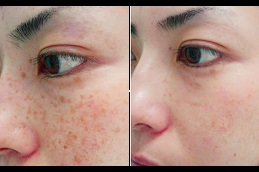
Pigmentation Treatment Before and After


Causes of Pigmentation Treatment:
Pigmentation forms when melanin display becomes uneven or exaggerated in specific areas of the skin. While the concern may look similar on the surface, the underlying causes can vary significantly.
Sun Exposure:
One of the most prevalent causes of pigmentation. Areas that are always exposed, such as the face, neck, arms, and hands, are vulnerable. Due to climate change, exposure to UV rays. Without reasonable sun protection, the skin tends to worsen.
Hormonal Changes:
Hormonal differences can significantly impact melanin production, which often results in a condition known as melasma. This appears on the skin as symmetrical dark patches on the cheeks and the forehead. This pigmentation is triggered during pregnancy and the use of oral contraceptives, or due to a hormonal imbalance.
Post-Acne Marks:
Sometimes, behind the acne heals, it can produce excessive pigmentation, known as post-inflammatory hyperpigmentation. This appears on the face, chest, back, and shoulders. It ranges from light brown to deep purple.
Aging:
The skin matures naturally power to repair and restore slows down with the years of accumulated exposure to rays. These appear as the flat and dark patches pr areas such as the face, hand, and shoulders. It makes the pigmentation more noticeable and sometimes requires professional care.
Skin Irritation or Injury:
Any form of trauma to the skin, such as cuts, burns, allergic reactions, or even aggressive cosmetic treatment. The risk is higher in sensitive or darker skin types. These results are localized dark patches known as post-inflammatory pigmentation.
Genetic Factors:
Genetics plays a key role in deciding how your skin responds to triggers like sunlight, hormones, and inflammation. Minimal direction to triggers can result in noticeable bruising. People with medium to darker skin tones are normally more sensitive.
Treatment options for Pigmentation:
Treating pigmentation effectively often involves a combination of approaches tailored to your skin type and the depth of discoloration. Here’s a closer look at each option:
Topical Treatments:
This method is normally the first line of defense for thr mild and pigmentation. This dermatologist prescribed. Creams and serums are formulated with ingredients such as vitamin C, retinoids, and kojic acid.
Chemical Peels:
This technique includes applying solutions such as glycolic acid, salicylic acid, or lactic acid to exfoliate the outermost layers of the skin. This controls and removes the damaged pigmentation skin cells and stimulates the growth of new and evenly toned skin.
Laser Treatments:
The process involves treatments that penetrate the deeper layer of the skin to break down excess melanin. Lasers are used depending on the pigmentation type and skin tone, and the fragmented pigment.
IPL:
This is a non-invasive light-based treatment that uses the broad-spectrum light to target the redness in the skin. Makes it effective for testing the pigment, which is then naturally eliminated by the blood over time. Includes the supports, freckles, and uneven skin tone. It works best for supergacial
Microneedling:
This technique involves using a device with fine needles to create controlled micro-injuries in the skin. This process stimulates the body’s natural healing and response, boosting collagen and elastic production. It’s particularly beneficial for post-acne pigmentation and uneven skin tone.
Personalised Combination Treatments:
For more complex and stubborn pigmentation, such as the melasma, a single treatment may not be enough for a dermatologist. This multiple-layered approach targets the pigmentation at different depths.
How does Pigmentation Treatment work?
- It breaks down the excessive pigmentation into small particles.
- Chemical peels exfoliate the pigmentation of the skin layer, encouraging the new skin cells to surface.
- Topical treatment controls melanin production, which helps to prevent the new pigmentation.
- Treatments like microneedling boost the skin, stimulating and renewing it
Regeneration, the pigmented cells are replaced with healthier, evenly toned skin.
- The pigmentation can exist at different depths of the skin, and multiple sessions are normally required over time combination of these processes leads to clearer skin.
Benefits
- Its most noticeable benefits are that it reduces discoloration, dark spots, and patches.
- Pigmentation treatment effectively fades the stubborn spots that are caused by sun damage or acne.
- These treatment revelas a brighter and more radiant appearance by removing the dull layer.
- Helps you feel more comfortable and positive about your skin.
- Help you to maintain an even skin tone over time with proper care and sun protection.
Ideal candidates
- An individual with uneven skin tone due to discoloration.
- People with dark spots due to prolonged sun exposure.
- An individual who is dealing with hormonal pigmentation, such as melasma.
- A person with acne has left behind dark marks or spots, and treatment, such as a chemical peel.
- Healthy individual without active infection.
Who should avoid this Pigmentation Treatment:
- Pregnant and breastfeeding women, because hormonal changes can make the skin more sensitive and unpredictable.
- An individual with active skin infections and open wounds.
- Those who have severe, sensitive skin allergies.
- Patient with certain medical conditions.
Pigmentation Treatment vs HydraFacial:
Features | Pigmentation Treatment | HydraFacial |
| Primary Goal | Reduce dark spots, melasma, uneven tone | Cleanse, hydrate, and improve overall glow |
| Treatment Concern | Deep pigmentation, sunspots, acne marks | Dullness, dryness, clogged pores |
| Treatment Type | Medical-grade (laser, peels, IPL, microneedling) | Non-invasive facial treatment |
| Depth of Action | Works on deeper skin layers | Operates on the exterior and superficial layers |
| Effectiveness for pigmentation. | Highly effective for mild to severe pigmentation | Mild improvement only |
| Results Timeline. | Gradual but long-lasting | Instant glow but temporary |
| Number os Session | 3–6 sessions | Monthly sessions recommended |
| Downtime. | Minimal | No downtime |
| Pain level | Mild discomfort depending on treatment | Completely painless and relaxing |
| Customization | Highly customized based on skin condition | Limited customization |
| Cost Range | Moderate to high | Moderate per session |
| Best For | People with stubborn pigmentation issues | People want an instant glow and skin refresh |
| Long-term Results | Yes, with proper care and sun protection | Requires regular maintenance |
| Skin Type Suitability | Suitable for most skin types | Suitable for all skin types |
Pre-care of Pigmentation Treatment:
- Don’t go directly to the sun; wear sunscreen.
- Stop using harsh skincare products before the procedure.
- Before your secession do not undergo tanning.
- Avoid waxing and hair removal on the treatment area.
- Stay consistent with basic skincare.
Process of Pigmentation Treatment:
| Consultation & Skin Analysis | A specialist examines your skin type, pigmentation depth, and underlying causes to create a personalized treatment plan. |
| Patch Test (If Needed) | A small test is performed on the skin to check for sensitivity or allergic reactions, especially for lasers or peels. |
| Procedure Application | The selected procedure is performed to target excess melanin and damaged skin layers. |
| Cooling & Soothing | After the treatment, soothing gels or cooling devices are applied to calm the skin and reduce redness or irritation. |
Post-care of Pigmentation Treatment:
- After the procedure, use sunscreen daily.
- Use a gentle, hydrating moisturizer to soothe the skin.
- Avoid touching and peeling the skin; let it heal naturally.
- Stay away from the hot shower and intense workout.
- Follow your specialist’s advice.
- Use gentle skincare products.
Benefits of Pigmentation Treatment for Men:
- This treatment helps lighten dark patches around the jawline and neck and smooth the skin.
- Pigmentation treatment target sundamge and restores a more balanced complexion.
- Men’s peony to acne often develops like lasers and peels gradually reduce these marks.
- Evens out skin tone, giving a cleaner and more refreshed appearance.
- Improves skin texture, microneedling refines rough skin, and reduces the pores.
- Most treatment take under take under an hour an requires a little to no recovery time.
Areas that are affected:
- Face
- Neck.
- Hands.
- Arms.
- Back and Shoulders.
- Chest.
- Underarms and inner thighs.
Recovery:
Recovery is normally minimal to short-term, and it depends on the type and intensity of the treatment used. You may notice mild redness and slight sensitivity in the treated area. Some treatments, especially chemical peels or lasers, may cause the light peeling. Most people fully recover within 3to 7 days, but the deeper treatment takes time, like 2 weeks for complete healing.
How Long Does It Take to See Results?
TimeFrame | Improvement % | What You’ll Notice. |
| Week 1 | 10% – 20% | Slight brightness, mild reduction in dullness, early healing phase |
| Week 2 | 20% – 40% | Visible glow, minor fading of superficial spots |
| Week 3 – 4 | 40% – 60% | More even tone, reduction in dark patches becomes noticeable |
| Week 6 – 8 | 60% – 80% | Significant fading of pigmentation, smoother and clearer skin |
| 3 Months | 70% – 90% | Major improvement in skin clarity and tone with consistent sessions |
| 3 – 6 Months | 80% – 95% | Near-complete results (depending on the depth of pigmentation) |
How Much Does It Cost for Pigmentation Treatment In Riyadh?
The cost of pigmentation treatment varies depending on the treatment type, number of sessions, and clinic expertise. On average, prices range from SAR 300 to SAR 2,000 per session, with advanced treatments costing more.
Treatment Type | Cost Per Session | Session Required | Total Estimated Cost | Best For. |
| Topical Creams | 100 – 500 | 3–6 months | 300 – 3,000 | Mild pigmentation, maintenance |
| Chemical Peels | 400 – 800 | 3–6 | 1,200 – 4,800 | Light spots, dull skin |
| Chemical Peels (Medium/Deep) | 800 – 5,000 | 1–5 | 2,000 – 10,000 | Moderate to deep pigmentation |
| IPL (Light Therapy) | 800 – 2,200 | 3–5 | 2,400 – 10,000 | Sunspots, freckles |
| Laser (Q-Switched) | 1,500 – 3,500 | 3–6 | 4,500 – 21,000 | Stubborn pigmentation |
| Pico Laser | 1,800 – 4,000 | 3–6 | 5,400 – 24,000 | Deep melasma, resistant spots |
| Fractional Laser (Fraxel) | 2,500 – 6,000 | 3–5 | 7,500 – 30,000 | Severe pigmentation, skin resurfacing |
| Microneedling (with PRP) | 1,000 – 3,000 | 3–6 | 3,000 – 18,000 | Post-acne marks, texture |
| Microdermabrasion | 300 – 800 | 5–10 | 1,500 – 8,000 | Surface pigmentation |
Key Factors of Cost:
- The type of treatment used, such as laser therapy, may increase the cost.
- Most people need 3 to 6 session it may affect the cost.
- The size of the treatment area, such as the upper lip, neck, and hand, makes an impact on the cost.
- Combination treatment: laser + chemical peel.
Brighter skin starts here—fade pigmentation with confidence by booking us!
Royal Clinic Saudia offers Pigmentation Treatment in Riyadh. Our professional doctors are here to guide you and help you to choose the best method, which is according to your skin type. Our skilled experts make a customized treatment plan according to your condition. Book your appointment today because your skin deserves to shine evenly.
FAQs
Does pigmentation come back after treatment?
Yes, without proper skin care and sun protection, it will come back.
What causes pigmentation?
Sun exposure hormones, acne scars, genetics, and supplements.
What therapies are available?
The topical medications, chemical peelings, lasers, microneedling, and IPL.
How many sessions do I require?
Usually, 3 to 6, based on the complexities.
Who can have this method?
Multiple people, but the skin type matters, and first consult your doctor.